Common questions about audio visual charlotte nc every planner should know
Wiki Article
Comprehending the Incorporation of Audio Visual Innovation in Today's Educational Environments
The assimilation of audio-visual technology in academic settings has changed the mentor and learning procedure. Educators now have accessibility to devices that deal with various finding out styles, boosting student interaction and cooperation. Nevertheless, the unification of these modern technologies offers both opportunities and difficulties. Understanding exactly how to effectively implement these devices is important. What techniques can teachers use to make best use of the benefits of audio-visual modern technology in their class?The Evolution of Audio-Visual Innovation in Education And Learning
As academic requirements developed over the decades, audio-visual technology undertook substantial changes that improved the knowing atmosphere. Initially, devices such as film projectors and slide shows were the key ways of integrating visual components into classrooms. These very early technologies given educators with the capacity to present information dynamically, yet they were limited in access and interactivity.With the development of video cassette recorders in the 1970s, class started to integrate documented lessons, broadening the extent of instructional resources. The intro of desktop computers in the 1980s additional reinvented this landscape, permitting for the creation of multimedia discussions and interactive discovering experiences.
The rise of the internet in the 1990s marked a turning point, making it possible for real-time access to a wide range of audio-visual products. Today, digital tools such as interactive whiteboards and on the internet discovering systems remain to boost the instructional experience, fostering engagement and partnership amongst learners.
Benefits of Audio-Visual Devices for Diverse Knowing Styles
Audio-visual devices play a necessary function in accommodating varied discovering styles by boosting visual learning and improving auditory involvement. By incorporating images, video clips, and audio, these innovations create an even more inclusive educational environment. This diverse approach allows instructors to address the different preferences and requirements of pupils successfully.Enhancing Visual Discovering
Engagement in the discovering process is significantly boosted through the usage of audio-visual devices, dealing with numerous finding out designs. These devices, such as videos, infographics, and interactive presentations, supply visual stimuli that help comprehension and retention. Aesthetic learners, specifically, advantage from the unification of pictures and computer animations, which can simplify complex concepts and boost understanding. Additionally, audio-visual resources can highlight real-world applications, making discovering more relevant and engaging. By integrating color, motion, and audio, educators can create a dynamic understanding atmosphere that records pupils' interest and fosters much deeper cognitive links. Eventually, the tactical use audio-visual innovation not only supports visual learning but also enriches the general instructional experience for varied students.Improving Auditory Interaction
A significant advantage of including audio-visual tools in education and learning is their capability to improve auditory interaction amongst pupils. These devices, which encompass multimedia discussions, podcasts, and interactive audio elements, accommodate various finding out styles, particularly benefiting auditory learners (audio visual charlotte nc). By integrating audio and narrative, teachers can create immersive experiences that catch pupils' focus and reinforce understanding. This interaction is important, as it promotes a much deeper understanding of the product and promotes retention. Furthermore, audio-visual tools can help with collective learning atmospheres, urging pupils to join discussions and share their understandings. Ultimately, the unification of audio-visual technology not just sustains acoustic involvement but also enriches the overall educational experience, making discovering more dynamic and efficient for all pupilsEnhancing Engagement Through Interactive Knowing
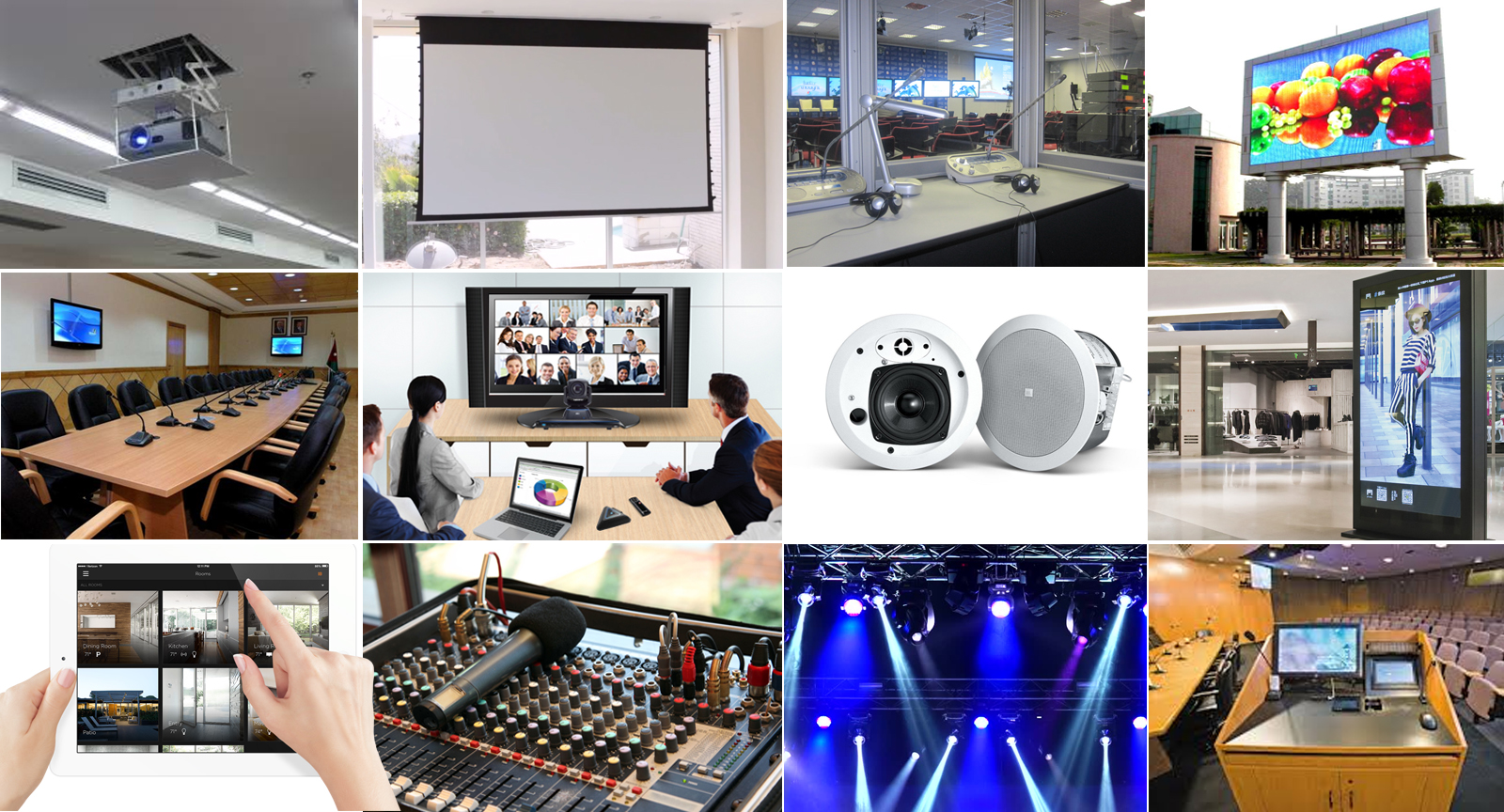
Moreover, gamification aspects, such as tests and simulations, can enhance inspiration and retention, making finding out more enjoyable and reliable. These strategies not only promote cognitive engagement however also satisfy diverse discovering designs, making sure that all trainees can participate meaningfully. As an outcome, interactive knowing environments cultivate a feeling of area and belonging, inevitably leading to enhanced scholastic results. Through the combination of audio visual modern technology, teachers can change conventional class right into vibrant areas where pupils thrive and proactively form their educational journeys.
Bridging Theory and Experiment Multimedia Resources
Multimedia sources act as an essential web link in between academic concepts and useful application in academic settings. By improving involvement, assisting in collaborative learning experiences, and supporting diverse knowing styles, these tools produce a more inclusive and dynamic knowing atmosphere - audio visual charlotte nc. This technique not just promotes much deeper understanding however additionally prepares pupils for real-world obstacles
Enhancing Interaction With Multimedia
Engagement in educational setups greatly increases when teachers integrate multimedia resources into their training methods. The usage of videos, podcasts, and interactive presentations enhances the learning experience, allowing pupils to get in touch with the product on multiple degrees. Multimedia sources cater to different finding out styles, providing aesthetic, acoustic, and kinesthetic stimuli that can hold students' focus better than standard lecture techniques. Additionally, these sources can streamline complex principles, making them more accessible and remarkable. By integrating multimedia, instructors can produce a dynamic classroom setting that fosters inquisitiveness and motivates students. Ultimately, the critical use audio-visual modern technology serves to link the void in between academic understanding and sensible application, enhancing the educational experience for both trainers and students.Assisting In Collaborative Knowing Knowledge
Many studies show that collaborative discovering experiences considerably improve pupil outcomes when incorporated with multimedia resources. Multimedia tools promote interaction among pupils, allowing them to engage in analytical and critical believing jointly. By making use of video conferencing, collective systems, and interactive presentations, instructors create environments favorable to team effort and shared discovering. These modern technologies make it possible for students to communicate their ideas successfully and obtain prompt responses, cultivating a much deeper understanding of the subject. In addition, multimedia sources can offer complex principles in even more absorbable layouts, advertising discussion and partnership. As an outcome, the mix of joint learning and audio-visual technology not only enriches the educational experience but also prepares pupils for real-world synergy dynamics, emphasizing the relevance of participation and collective understanding building and construction.Sustaining Diverse Understanding Styles
While standard training techniques usually satisfy a restricted variety of discovering choices, the assimilation of audio-visual modern technology uses a much more inclusive method to education. By employing multimedia sources such as video clips, interactive simulations, and digital presentations, teachers can address numerous learning styles, consisting of aesthetic, auditory, and kinesthetic. This flexibility permits for differentiated guideline, enabling pupils to involve with web content in methods that reverberate with their specific preferences. Additionally, audio-visual devices can help with deeper understanding by giving several depictions of complicated concepts. Consequently, trainees that may deal with standard approaches can discover different pathways to success, cultivating a much more fair understanding atmosphere that sustains academic success for all learners.Challenges in Implementing Audio-Visual Modern Technology
Although audio-visual innovation holds great assurance for improving educational experiences, its application often comes across substantial challenges. One main problem is the economic concern connected with investing in and maintaining such devices, which can strain spending plans, specifically in underfunded establishments. Additionally, insufficient training for teachers can prevent reliable integration, leaving them ill-prepared to utilize the technology completely. Technical problems, such as software breakdowns and compatibility troubles, may likewise disrupt lessons and discourage both teachers and trainees. Differing degrees of pupil accessibility to innovation outside the class can produce disparities in learning opportunities. The potential for over-reliance on technology might detract from essential teaching methods, inevitably restricting the educational experience. Addressing these difficulties requires a comprehensive approach, consisting of appropriate funding, professional advancement, and equitable access to sources, to ensure that audio-visual technology can be leveraged properly in today's instructional settings.Best Practices for Integrating Technology in the Classroom

In addition, cultivating an interactive environment through collaborative tools motivates trainee involvement and engagement. Utilizing diverse audio-visual resources accommodates numerous learning designs, accommodating aesthetic, acoustic, and kinesthetic students. Routinely examining the effect of modern technology on student learning helps instructors refine their methods and adapt to changing needs. Finally, including students in the selection of technology advertises ownership and motivation. By adhering to these ideal techniques, instructors can produce a vibrant classroom atmosphere that effectively integrates innovation and enhances the instructional experience for all pupils.
The Future of Audio-Visual Modern Technology in Education
As classrooms progressively embrace modern technology, the landscape of audio-visual tools in education and learning proceeds to develop (audio visual charlotte nc). Future developments are expected to concentrate on greater interactivity and customization, enabling teachers to customize finding out experiences to private pupil requirements. Innovations such as increased reality (AR) and digital reality (VR) will likely supply immersive knowing settings, improving pupil interaction and understanding
Artificial intelligence (AI) is poised to play a significant function in audio-visual technology by providing real-time feedback and adaptive understanding pathways. This combination might help teachers recognize and address trainee obstacles more successfully. Cloud-based systems will promote easier access to sources and cooperation amongst students and teachers, despite place.
In enhancement to these technical advancements, expert growth for instructors will be important, ensuring they are geared up to use these devices effectively. Generally, the future of audio-visual modern technology in check here education and learning guarantees to create more dynamic, inclusive, and impactful knowing experiences.
Often Asked Concerns
Exactly How Can Teachers Select the Right Audio-Visual Devices for Their Classrooms?
Choosing suitable audio-visual devices needs instructors to examine their academic goals, consider student demands, review readily available modern technology, and look for suggestions from peers or professionals, making sure devices efficiently improve knowing and engagement within their specific class setting.What Spending plan Factors to consider Are There for Executing Audio-Visual Innovation?
Budget plan considerations for executing audio-visual technology consist of preliminary purchase prices, maintenance expenses, training for team, and prospective software application licensing fees. In addition, long-lasting investment in updates and substitutes ought to also be factored right into monetary planning.Are There Details Training Resources for Teachers on Audio-Visual Tools?
Many establishments use training resources for educators on audio-visual tools, consisting of on-line training courses, workshops, and training overviews. These resources aim to improve teachers' skills and self-confidence in efficiently incorporating innovation right into their teaching methods.Just how Do We Determine the Performance of Audio-Visual Innovation in Understanding?
Determining the performance of audio-visual innovation in finding out includes reviewing trainee engagement, comprehension, retention prices, and overall scholastic performance. Studies, assessments, and observational researches can offer useful understandings into its effect on instructional results.What Prevail False Impressions About Audio-Visual Innovation in Education And Learning?
Usual misconceptions regarding audio-visual modern technology in education and learning include the belief that it ensures involvement and learning results, in addition to the presumption that all students benefit equally, ignoring private learning preferences and demands.Report this wiki page